(formerly Tracker Trail)
Wilderness Survival, Wilderness Mind
HOME   Search   Sitemap   FORUMS    Wilderness Mind      TRACKING      SURVIVAL      BOOKSTORE

SURVIVAL   Shelter   Water   Fire   Food   Clothing   Health   Vision   Cordage   Containers   Tools   Stone   Flintknapping   Furniture

Lights   Fishing   Hunting   Traps   Snares   Hides   Pitch & Glue   Winter   Lyme Disease  Music   Tracker Knife   Navigation

Emergency Preparedness   Teaching   Young People   Practicing   Native People   Humour   FORUM   Misc   DISCLAIMER

     Booklist   Links   Email me   Guestbook   About This Site   Use of Material   Survival Clubs   Contributors

Tracker Trail    Wildflowers    Trees & Shrubs    Ferns    Insects    Earth Caretaker    James Bay    Labrador    Leatherwood Trail

Basswood Cordage

 
Basswood (Tilia americana) bark makes excellent and very strong cordage.

The first part of this page consists of a number of photographs to aid in identification of Basswood. For more info on identifying Basswood, please visit the Ontario Trees website.

The second part of this page shows the cordage aspect of Bassswood.

 
IDENTIFICATION:
For more info on identifying Basswood, please visit the Ontario Trees website.
 
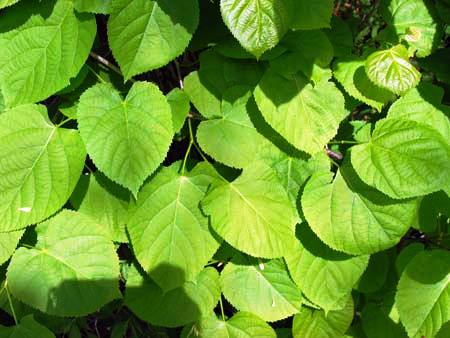
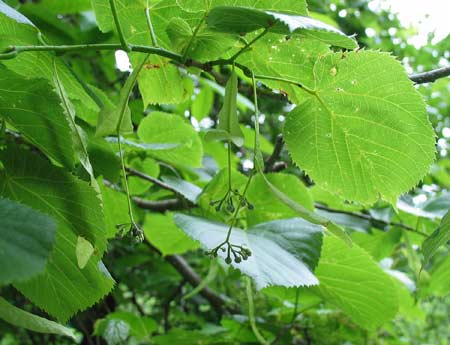
Basswood leaves.
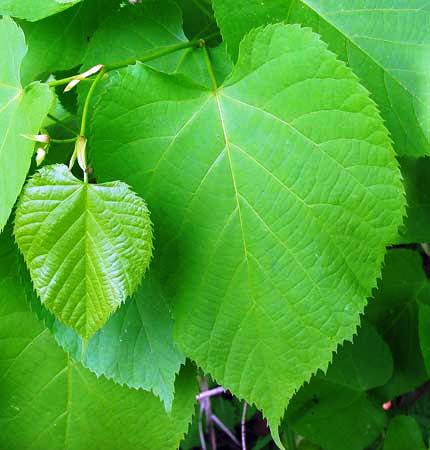
Closer view of a leaf. Note the numerous obvious teeth, and the roundish shape.
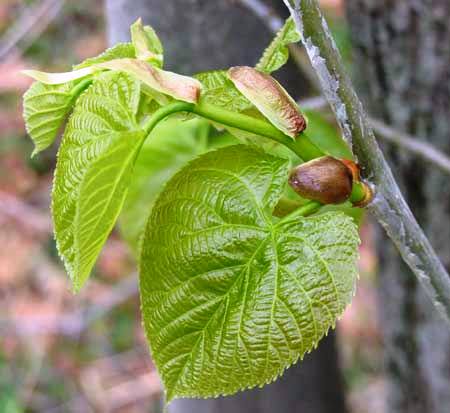
Young leaves in the spring (mid-May)
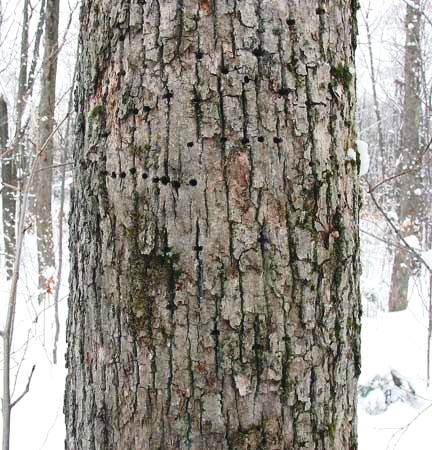
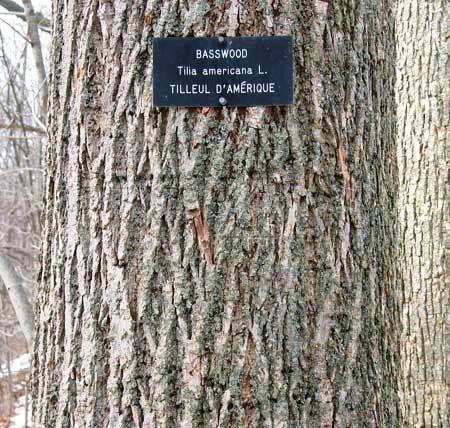
Basswood bark. It is often said that Basswood develops horizontal patterns of holes resembling sapsucker holes. This is true, but sapsuckers DO like Basswood. This photo shows sapsucker holes. The holes that develop naturally on Basswood bark are nowhere near as obvious as these.
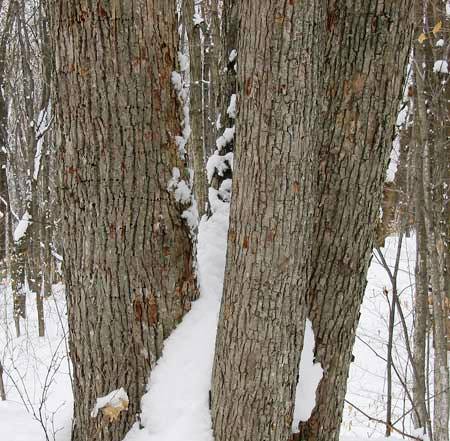
A grove of three Basswood trees growing close together. This is a common trait of this species. If you cut down a Basswood tree, the stump quickly sends up numerous young shoots, each of which can grow into a tree.
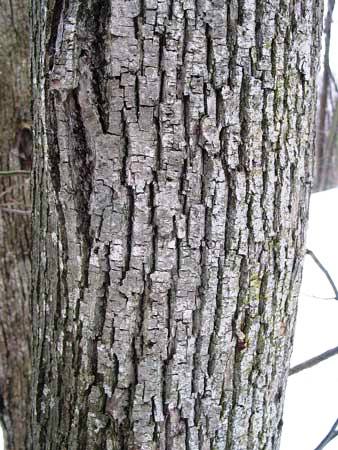
Basswood bark typically divides into vertical plates.

Basswood is ideal for carving, as it doesn't splinter easily.

Another form of Basswood bark; more ridged. Sort of resembles that of Red Oak.
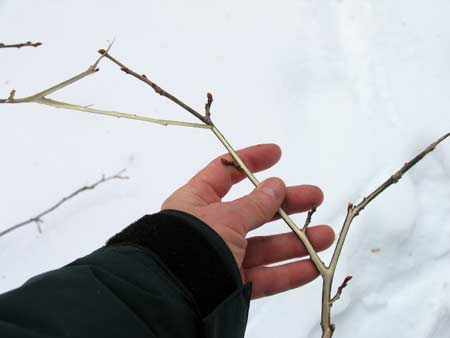
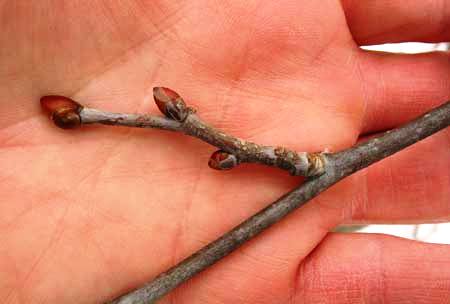
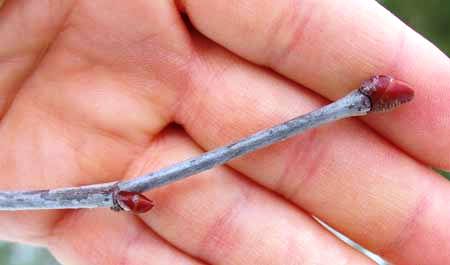
Winter twig, showing the large buds. The buds are edible, although somewhat mucilaginous.
Another winter twig.
Flower buds in early June.
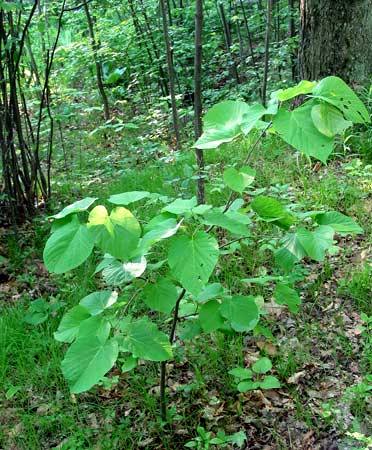
A very young Basswood tree. Note the large leaves.
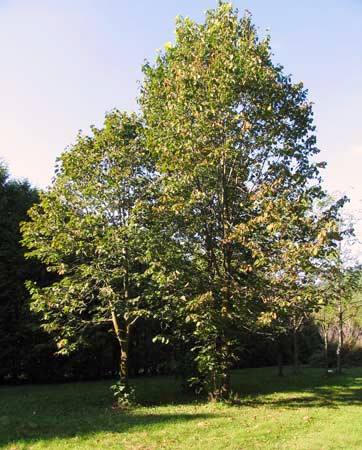
An older tree.
 
CORDAGE FROM BASSWOOD:
 
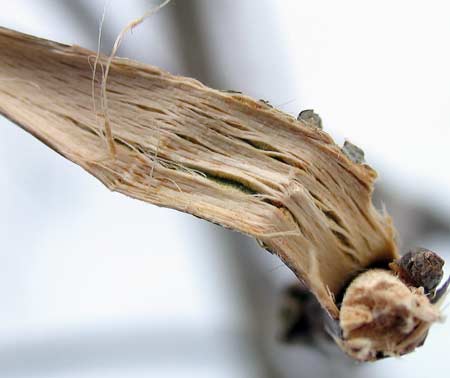
Basswood bark makes excellent strong cordage. It consists of long interwoven fibres that form an interlocking weave. It peels readily from the tree and is easy to work with.

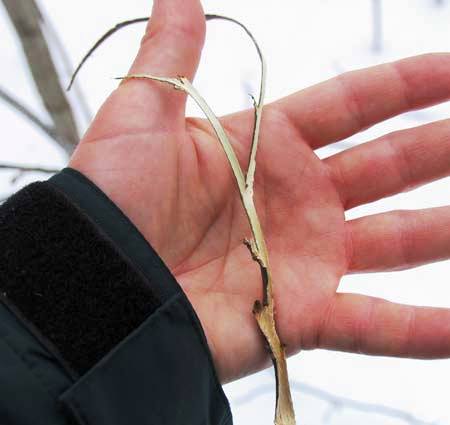
Bark from dead basswood limbs provides the best material. The best dead limbs are ones that have been dead for a week or two. Any longer and the bark will have dried out a lot.

This photos shows how the bark peels in a nice long string.
A closeup view of the bark fibres.
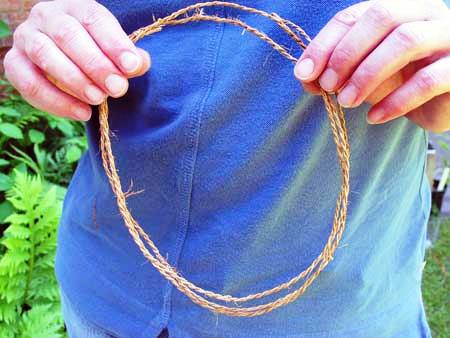
A length of finished Basswood bark cordage.
  

Survival       Containers      Cordage

READ THE DISCLAIMER

The material on this page is copyright © by the original author/artist/photographer
This website is created, maintained & copyright © by Walter Muma
Please respect this copyright and ask permission before using or saving any of the content
of this page for any purpose

-- These websites may also interest you --

Ontario Wildflowers   Ontario Trees & Shrubs   Ontario Ferns   Ontario Grasses   Ontario Insects
Mumart   World of Mosses   Wild Ontario   Trans-Labrador Hwy   James Bay Road   Rupert River   Moped Trip
Wildwood Survival   Wildwood Tracking   Leatherwood Trail   Tracker Trail   Earth Caretaker   Wildwood Canada

Thank you for visiting!